
AAC Blocks
Lightweight blocks that reduce dead load and speed up masonry.
- Lightweight
- multiple thicknesses
Solid and hollow concrete blocks in standard sizes for walls, compound work and infill masonry.
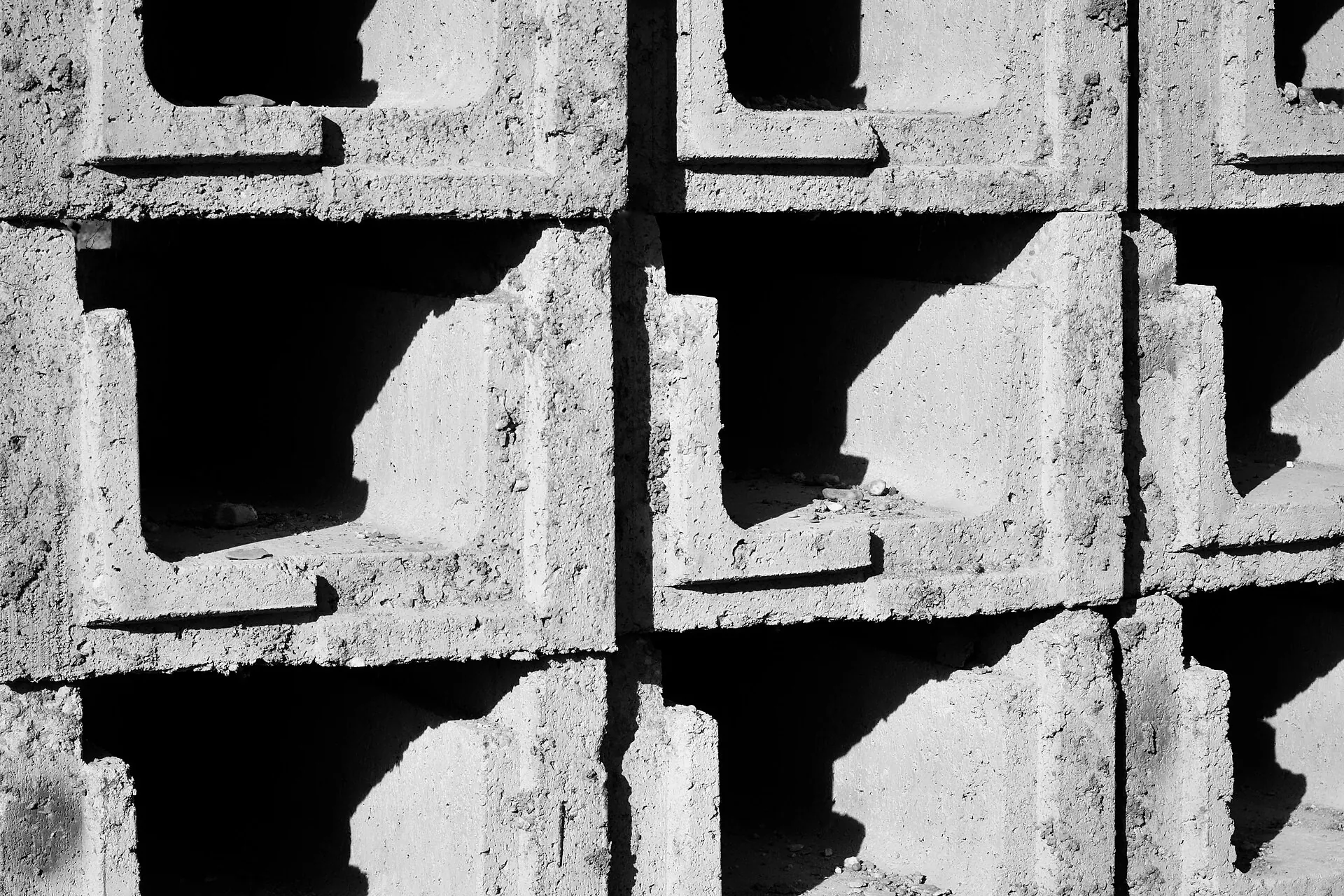
Standard block sizes for walls, compound work and infill masonry.
Burnt clay bricks follow IS 1077. Solid and hollow concrete blocks follow IS 2185 Part 1 and are quicker to lay for compound walls and infill. AAC blocks (IS 2185 Part 3) are light, cut easily and insulate well, which reduces dead load on the structure; they need a thin-bed adhesive or the right mortar.
Stack on level ground, no more than a metre high. Keep AAC blocks dry before use; wet clay bricks a day before laying.
A plain-language guide. Always follow your structural engineer’s specification.
For walls that carry load or need to take heavy fixings.
Lighter per block and quick to lay for compound walls and infill.
Tell us the wall thickness on your drawings; block size and count are quoted to match.
You do not need all of them. The more you share, the more precise the first quotation will be.
For example OPC 43 cement, Fe 500D TMT 12 mm, 20 mm aggregate. If unsure, tell us the stage of construction.
Bags, tonnes, loads or square feet. A range is fine.
Site address or area, and whether a large truck can reach the gate.
When you need the first delivery and how the rest should be spaced.
If you have them, attach or share on WhatsApp after the call.
Call or WhatsApp, and a good time to reach you.
Most sites order these in the same stage. One quotation can cover all of them.
Lightweight blocks that reduce dead load and speed up masonry.


Short answers to the questions we hear most. For anything project-specific, send an enquiry.
Tell us what you’re building. We’ll help you understand the materials, requirements and next steps.